

Quality Nutrition for Pets on a Budget (Updated for 2026)
With prices rising on just about everything, we hear lots of pet parents looking for more affordable pet food options, hopefully without sacrificing quality. At Humboldt Pet Supply, we want to provide options for every budget while offering products you and your pet can feel good about. As always, we are happy to answer any questions and help you find the right products for a feeding routine that fits your budget. Our goal isn’t to sell specific products, but rather to provide honest opinions and share our knowledge to help pet parents make the best decisions. We’ve detailed below some suggestions and things to think about when looking for budget-friendly options for your pets.
Kibble
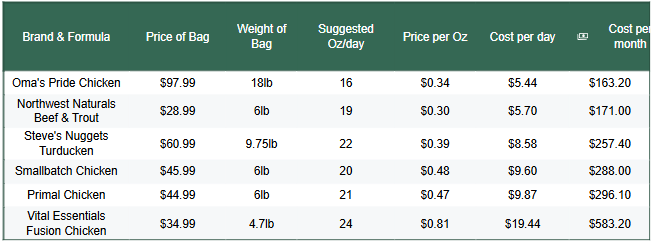
The key when searching for an affordable kibble is to not just look at the price of the bag, but also the feeding guidelines. Oftentimes, high-quality kibbles are more nutritionally and calorically dense than their cheaper counterparts. This means you will feed less daily, bringing what we call “the cost of feeding” down. For example, let’s take a look at some popular value brands compared to some of the brands we offer.
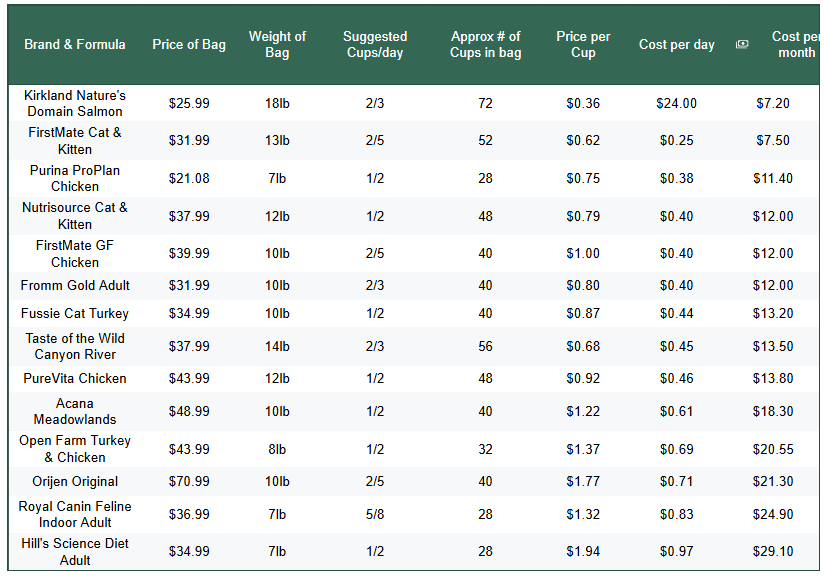
All calculations are approximate and based on a 10 lb cat for a 30-day month.
All information is subject to change and may not reflect current pricing at all times.
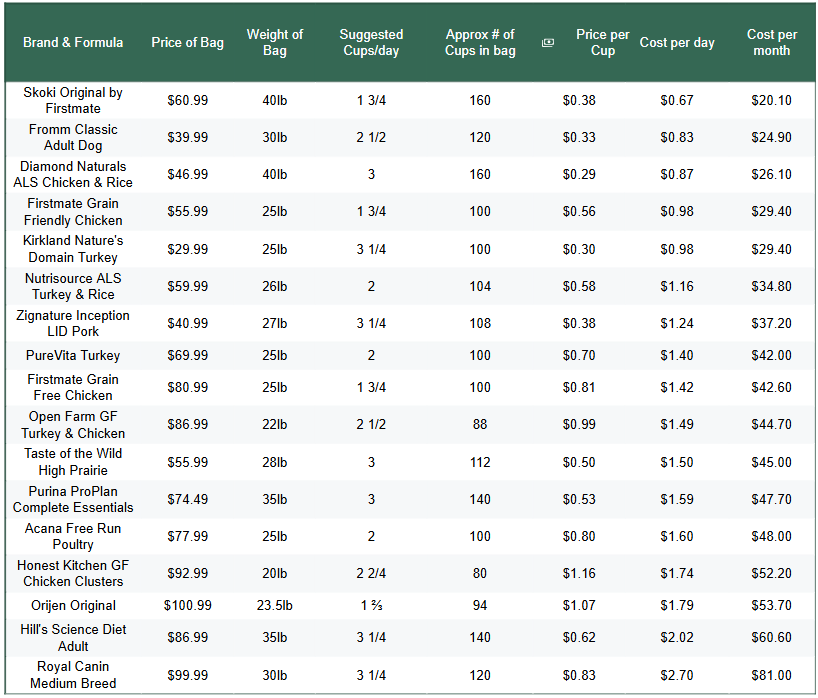
All calculations are approximate and based on a 50 lb dog for a 30-day month.
All information is subject to change and may not reflect current pricing at all times.
As you can see, even though the price per bag may be higher, the actual cost of feeding is often only slightly higher, or even lower, than some value brands.
So it’s possible to find a kibble that works for your pet and provides quality nutrition without breaking the bank. These are just a few examples, and we have many more brands in store. We can always help you find what will fit your needs - whether that’s a limited ingredient diet, exclusion or inclusion of specific ingredients, specific protein or fat levels, budget constraints, etc. Let us know and we can help find the perfect match for you and your pet.
Raw & Wet Foods
Canned food and frozen foods are both excellent options for adding less processed foods into your pets’ diets. Moisture-rich foods like wet and raw foods are especially important for cats, as they are prone to urinary and kidney issues on dry-food-only diets.
Let’s take a look at the cost of feeding for some wet foods for cats, and raw foods for dogs and cats.
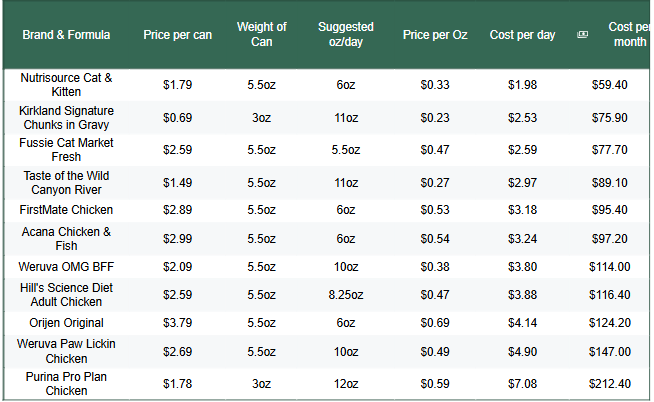
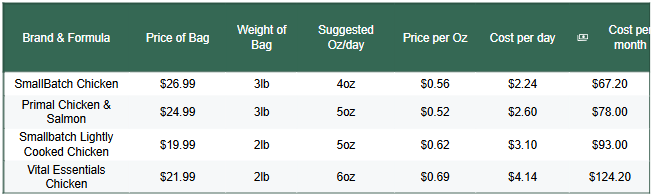
All calculations are approximate and based on a 10 lb cat for a 30-day month.
All information is subject to change and may not reflect current pricing at all times.
All calculations are approximate and based on a 50 lb dog for a 30-day month.
All information is subject to change and may not reflect current pricing at all times.
Similarly to kibble, the shelf price can be a little deceiving. Raw foods often end up being much more affordable than canned food because you’re not paying for the can itself and the canning process required to produce it. So next time you’re in, consider checking out our freezer section if you haven’t already.
Building a Better Bowl
Many pet parents are interested in ways they can build a better bowl for their pets, but sometimes are stumped on where to start or discouraged by the prices of branded mix-ins. There are many easy, low-cost additions you can make to your pet’s diet to help boost nutrition without busting the budget.
First off, water! Moisture is such an important and often overlooked component of our pets’ diets, especially for cats. Dogs and cats are biologically programmed to get the vast majority of their moisture from their diet, not from drinking water. Simply adding warm water to dry food is a huge step toward improving the bowl without additional cost.
Second, fresh food additions! There are many foods you may already buy for yourself that you can add to your pet’s food: raw eggs, plain yogurt, cottage cheese, fish, raw or gently cooked meat or organs, coconut water, goat milk, fruits, cooked or puréed veggies, and more. There are lots of possibilities right in your own kitchen to create wholesome bowls - get creative and have fun!
Third, wet and raw pet food! While these diets are more expensive than kibble when fed exclusively, they can also be fed as a component of the diet to reduce costs while still reaping benefits. Both options offer benefits such as increased moisture, palatability, and nutrient bioavailability and absorption, to name a few. We recommend replacing a minimum of 20% of the diet with raw or fresh foods to support positive benefits. Raw food may seem more expensive than wet food at first, but once again, looking at the cost of feeding reveals the difference is not as significant as you may think.
Hopefully you now have a better understanding and some ideas on how to maximize your pet food budget. These tips and recommendations, paired with our loyalty and frequent buyer punch cards, make the savings even greater! Once again, please don’t hesitate to come in or call - we are happy to answer your questions and hear your concerns or comments anytime.